
Advertisement
Media plays a vital role in shaping cultures around the world, and Nepal is no exception. From traditional forms of media like radio and newspapers to modern platforms such as social media and television, the media landscape in Nepal has evolved significantly. This blog post explores how various forms of media influence and reflect Nepali culture, identity, and social values.
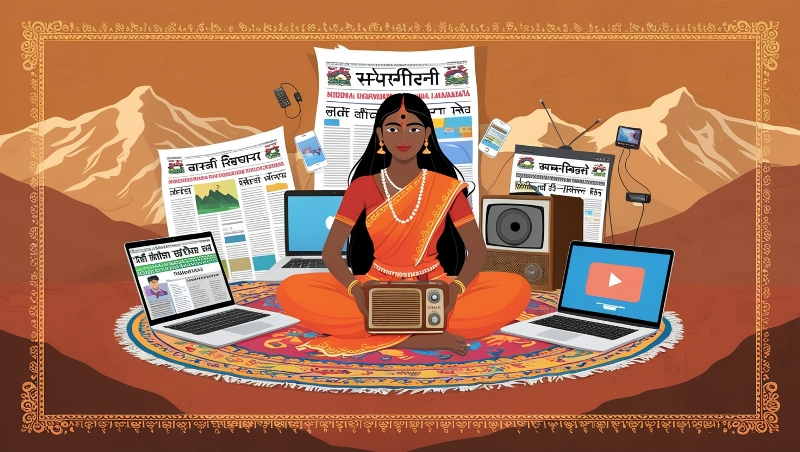
We will delve into the historical context, examine different types of media, and discuss their impact on society.
Table of Contents
1. Understanding Media in Nepal
Definition of Media
Media refers to the channels of communication that convey information to the public. This includes newspapers, television, radio, social media, and online platforms. Media serves as a bridge between people and information, shaping public perception and cultural narratives.
Advertisement
Historical Context
The history of media in Nepal dates back to the early 20th century when the first newspapers emerged. Initially, media was limited and controlled by the state. The democratic movement in the 1990s brought significant changes, leading to the liberalization of the media sector. This period saw the rise of private newspapers, radio stations, and television channels, which played a crucial role in promoting freedom of expression and democratizing information.
Current Media Landscape
Today, Nepal has a diverse media landscape that includes numerous print and electronic media outlets. Social media platforms like Facebook, Twitter, and Instagram have become popular tools for communication and information sharing. This dynamic landscape has greatly influenced the way culture is disseminated and consumed in Nepal.
2. The Impact of Print Media
Newspapers and Magazines
Print media, particularly newspapers and magazines, has historically been a significant source of information in Nepal. Newspapers like The Kathmandu Post and The Himalayan Times provide news coverage, commentary, and analysis on various issues, including politics, culture, and society.
Cultural Reflection
Print media plays a crucial role in reflecting and shaping Nepali culture. Articles on cultural events, festivals, and traditions help promote awareness and appreciation for diverse cultural practices. This coverage often highlights the significance of traditional customs, thus preserving and revitalizing interest in them.
Challenges Faced
Despite its importance, print media in Nepal faces challenges, including declining readership and competition from digital platforms. Many young people prefer consuming news online, which has led to a decrease in newspaper sales. This shift poses a risk to the sustainability of traditional print media.
Future of Print Media
To adapt to changing preferences, print media must innovate by integrating digital elements, such as online subscriptions and interactive content. Collaborating with social media platforms can also help newspapers reach a wider audience, ensuring that they remain relevant in the evolving media landscape.
3. The Influence of Television
Growth of Television
Television has become one of the most influential forms of media in Nepal. Since its introduction in the 1980s, television has grown rapidly, with numerous channels offering a wide range of programming, including news, entertainment, and educational content.
Shaping Cultural Norms
Television plays a significant role in shaping cultural norms and values. It showcases Nepali dramas, music, and films that often reflect societal issues, family dynamics, and traditional values. Popular television shows often address contemporary issues, such as gender roles, education, and social justice, prompting discussions among viewers.
Impact on Youth
Television is particularly influential among youth, who are exposed to various cultural narratives and lifestyles through shows and advertisements. This exposure can shape their perceptions of identity, beauty standards, and aspirations. However, it is essential to promote content that reflects positive values and encourages critical thinking.
Challenges in the Television Industry
The television industry in Nepal faces challenges, including the prevalence of sensationalism and a lack of quality programming. The competition for viewership often leads to sensational content that prioritizes entertainment over educational value. Striking a balance between engaging content and meaningful storytelling is crucial for the industry’s growth.
4. The Role of Radio
Importance of Radio in Nepal
Radio has been an essential form of media in Nepal for decades, especially in rural areas where access to television and the internet may be limited. Community radio stations play a vital role in disseminating information, promoting local culture, and fostering community engagement.
Community Engagement
Community radio serves as a platform for local voices, allowing residents to discuss issues relevant to their communities. Programs that focus on local traditions, agricultural practices, and health education contribute to cultural preservation and awareness.
Advocacy and Social Change
Radio can also be a powerful tool for advocacy and social change. Programs that address social issues, such as gender equality and environmental sustainability, can raise awareness and encourage listeners to take action. By informing and educating the public, radio has the potential to drive positive change within communities.
Challenges Facing Radio Stations
Community radio stations in Nepal often face challenges such as limited funding, lack of resources, and regulatory hurdles. Ensuring sustainability and quality programming is crucial for maximizing the impact of radio as a medium for cultural expression.
5. The Rise of Digital Media
Growth of Social Media
The rise of digital media, particularly social media platforms, has transformed the way information is shared and consumed in Nepal. Platforms like Facebook, Instagram, and YouTube have become popular sources for news, entertainment, and cultural content.
Instant Communication
Social media allows for instant communication and sharing of ideas. Users can engage with content, share their opinions, and participate in discussions about cultural issues. This democratization of information empowers individuals to voice their thoughts and connect with others.
Cultural Expression
Digital media provides a platform for creative expression. Young artists, musicians, and filmmakers can share their work with a global audience, promoting Nepali culture beyond national borders. This exposure can foster appreciation for diverse cultural expressions and promote cross-cultural understanding.
Challenges of Digital Media
While digital media has many benefits, it also presents challenges, such as misinformation and the digital divide. The rapid spread of misinformation can distort public perception and create confusion. Additionally, access to digital media is not equal across all demographics, particularly in rural areas where internet connectivity may be limited.
6. Media Representation of Nepali Culture
The Role of Media in Cultural Identity
Media representation plays a crucial role in shaping cultural identity. It influences how Nepali culture is perceived both locally and globally. Positive representation can promote pride in cultural heritage, while negative representation can perpetuate stereotypes and misconceptions.
Celebrating Diversity
Media can celebrate the diversity of Nepali culture by showcasing the traditions, languages, and practices of various ethnic groups. Highlighting the richness of cultural diversity can foster unity and appreciation among different communities.
Addressing Stereotypes
Challenging stereotypes and promoting authentic representation in media is essential. Content that accurately reflects the experiences of different communities can help combat prejudice and discrimination. Media creators should strive to portray the complexity of Nepali culture and avoid oversimplified narratives.
The Responsibility of Media Creators
Media creators have a responsibility to ensure that their content is respectful, inclusive, and representative of the diverse cultural landscape in Nepal. Engaging with communities, conducting research, and collaborating with local voices can enhance the authenticity of media representations.
7. The Impact of Media on Social Change
Raising Awareness of Social Issues
Media serves as a platform for raising awareness of social issues in Nepal. Journalists, filmmakers, and content creators can shed light on pressing concerns such as poverty, gender inequality, and environmental challenges. By bringing these issues to the forefront, media can stimulate public discourse and encourage action.
Advocacy for Change
Media can also advocate for social change by highlighting grassroots movements and community initiatives. Coverage of positive stories and successful projects can inspire others to get involved and take action in their own communities.
Mobilizing Support
Social media, in particular, has the power to mobilize support for social causes. Campaigns that raise awareness about important issues can go viral, encouraging individuals to participate in advocacy efforts, donations, or community service.
Challenges in Advocacy
While media has the potential to drive social change, it can also face challenges such as censorship and governmental control. Journalists and media professionals may encounter barriers when attempting to report on sensitive topics. Ensuring press freedom is essential for facilitating open discussions about social issues.
8. The Future of Media in Nepal
Evolving Media Landscape
The media landscape in Nepal continues to evolve, influenced by technological advancements and changing consumer preferences. As digital media gains prominence, traditional media must adapt to remain relevant.
Embracing Innovation
Embracing innovation is key to the future of media in Nepal. Media outlets should leverage technology to enhance content delivery, engage audiences, and reach underserved populations. This includes exploring multimedia storytelling, podcasts, and interactive platforms.
Promoting Media Literacy
Promoting media literacy among the public is essential for fostering critical thinking and informed consumption of media. Education programs that teach individuals how to evaluate sources, identify misinformation, and engage with media responsibly can empower citizens.
Supporting Local Content Creation
Supporting local content creators is vital for enriching the media landscape. By investing in Nepali filmmakers, writers, and artists, the media industry can foster diverse voices and promote authentic representations of culture.
9. Conclusion
The Vital Role of Media in Nepali Culture
Media plays a vital role in shaping Nepali culture by influencing perceptions, promoting awareness, and fostering social change. As Nepal continues to navigate the complexities of modernity, the media must adapt while remaining committed to preserving and celebrating its rich cultural heritage.
A Call to Action
It is essential for media creators, consumers, and policymakers to work together to promote positive representation, cultural appreciation, and social change. By valuing diverse voices and fostering responsible media practices, we can build a more inclusive and vibrant cultural landscape in Nepal.
Frequently Asked Questions (FAQs)
How does media influence cultural identity in Nepal?
Media influences cultural identity by shaping perceptions, promoting awareness of cultural practices, and reflecting societal values. Positive representation can foster pride in cultural heritage, while negative portrayals can perpetuate stereotypes and misunderstandings.
What are some examples of traditional media in Nepal?
Traditional media in Nepal includes newspapers, radio, and television. Newspapers like The Kathmandu Post and The Himalayan Times provide news and information, while radio stations reach rural communities with local programming. Television channels showcase Nepali dramas, news, and cultural events.
How has social media impacted Nepali culture?
Social media has transformed communication and information sharing in Nepal. It allows for instant connectivity, enables the dissemination of diverse cultural narratives, and provides a platform for creative expression. However, it also poses challenges, such as the spread of misinformation and digital divides.
Why is media literacy important in Nepal?
Media literacy is crucial in Nepal to help individuals critically evaluate information, identify misinformation, and engage responsibly with media content. It empowers citizens to make informed decisions and encourages active participation in societal issues.
How can media promote social change in Nepal?
Media can promote social change by raising awareness of social issues, advocating for marginalized communities, and highlighting successful grassroots initiatives. By informing and engaging the public, media can inspire action and encourage community involvement.
What challenges do media professionals face in Nepal?
Media professionals in Nepal face challenges such as censorship, government control, and limited resources. These barriers can hinder their ability to report freely on sensitive issues and engage in advocacy.
How does television influence youth in Nepal?
Television influences youth in Nepal by shaping their perceptions of identity, values, and lifestyles. Popular shows and advertisements can impact their aspirations and behavior, highlighting the importance of responsible content creation.
What role do community radio stations play in Nepali society?
Community radio stations play a vital role in providing localized content, promoting cultural diversity, and engaging residents in discussions about community issues. They empower local voices and serve as platforms for education and awareness.
How can the government support media development in Nepal?
The government can support media development by ensuring press freedom, promoting policies that foster diversity in media ownership, and providing resources for training and capacity building among media professionals.
What is the future of media in Nepal?
The future of media in Nepal is likely to be characterized by continued digitalization, the rise of local content creation, and increased engagement through social media platforms. Embracing innovation while preserving cultural heritage will be essential for the growth of the media landscape.
Final Thoughts
The role of media in shaping Nepali culture is profound and multifaceted. As we navigate the challenges and opportunities of a rapidly changing media landscape, it is crucial to recognize the power of media in influencing cultural identity, promoting social change, and fostering community engagement.
By supporting diverse voices and embracing responsible media practices, we can work together to create a vibrant and inclusive cultural landscape in Nepal. Let us celebrate the unique tapestry of Nepali culture while leveraging the power of media to drive positive change for future generations.


