
Advertisement
Festivals are an integral part of life in Nepal, reflecting the country’s rich cultural heritage and diverse traditions. They serve as vibrant expressions of the beliefs, values, and history of various communities. This blog post explores the role of festivals in promoting Nepali culture, examining how they strengthen community bonds, preserve traditions, and foster social cohesion.
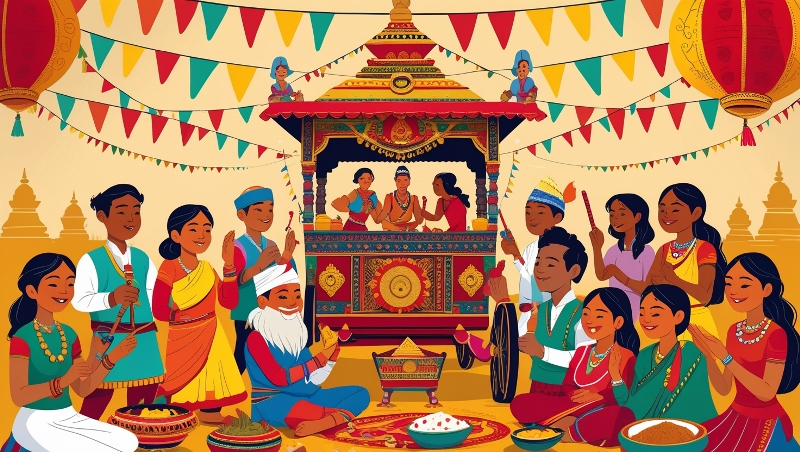
Table of Contents
1. Understanding Nepali Festivals
To appreciate the role of festivals in promoting culture, it is essential to understand what Nepali festivals are and their significance.
1.1 Definition of Festivals
Festivals are special events celebrated by communities to mark important cultural, religious, or historical occasions. In Nepal, festivals are often linked to religious observances, agricultural cycles, and significant historical events. They involve various activities, including rituals, feasting, music, dance, and art.
Advertisement
1.2 Diversity of Festivals in Nepal
Nepal is home to a wide variety of festivals, each celebrated by different ethnic groups and communities. Major festivals like Dashain, Tihar, Holi, and Indra Jatra showcase the country’s cultural diversity. Each festival has unique customs, rituals, and meanings, contributing to the richness of Nepali culture.
1.3 The Significance of Festivals
Festivals hold immense significance in Nepali society. They provide opportunities for people to come together, celebrate their heritage, and strengthen community ties. Festivals also serve as a way to pass down traditions, values, and stories from one generation to the next.
2. Festivals as Cultural Expressions
Festivals serve as dynamic expressions of culture, showcasing the unique identities of different communities.
2.1 Showcasing Traditions and Customs
Nepali festivals showcase various traditions and customs, highlighting the rich tapestry of the country’s cultural heritage. For instance, during Dashain, families come together to celebrate victory over evil, reflecting the deep-rooted values of faith and resilience. Similarly, Tihar, known as the festival of lights, honors animals and emphasizes the importance of coexistence with nature.
2.2 Preservation of Language and Art
Festivals provide a platform for the preservation of language and art forms. Traditional songs, dances, and crafts are often showcased during festivals, allowing communities to celebrate and pass down their artistic heritage. For example, the traditional dance forms performed during festivals highlight the unique cultural expressions of various ethnic groups.
2.3 Strengthening Cultural Identity
By participating in festivals, individuals reinforce their cultural identity. Festivals encourage people to embrace their heritage and share it with others, fostering pride in their cultural roots. This celebration of identity strengthens community bonds and promotes a sense of belonging.
3. Community Bonding Through Festivals
Festivals play a crucial role in strengthening community ties and fostering social cohesion.
3.1 Gathering of Families and Friends
Festivals bring families and friends together, creating opportunities for social interactions and bonding. During these celebrations, people reconnect with loved ones, share meals, and participate in rituals. This communal aspect enhances relationships and fosters a sense of unity within communities.
3.2 Involvement of Local Communities
Local communities actively participate in organizing and celebrating festivals. From planning events to preparing traditional dishes, community involvement is key to the success of festivals. This collective effort fosters teamwork, encourages cooperation, and strengthens community ties.
3.3 Promoting Inter-Community Relations
Festivals often invite participation from various communities, promoting inter-community relations. By celebrating together, individuals from different backgrounds learn about each other’s cultures, fostering understanding and respect. This interaction helps build bridges among communities and encourages a spirit of inclusivity.
4. Economic Impact of Festivals
Festivals also have a significant economic impact, contributing to local economies and promoting tourism.
4.1 Boosting Local Businesses
Festivals provide a boost to local businesses, as people spend money on food, clothing, decorations, and other festive items. Marketplaces become vibrant with stalls selling traditional goods, benefiting local artisans and vendors. This economic activity supports livelihoods and stimulates local economies.
4.2 Encouraging Tourism
Major festivals attract tourists from within and outside Nepal, contributing to the tourism industry. Tourists are drawn to the unique cultural experiences that festivals offer, providing opportunities for local communities to showcase their traditions. Festivals like Indra Jatra and Holi in Kathmandu attract large crowds, benefiting local businesses and creating a vibrant atmosphere.
4.3 Creating Employment Opportunities
The preparation and celebration of festivals create temporary employment opportunities in various sectors. Individuals may find work in catering, event planning, hospitality, and entertainment during festival seasons. This economic boost can have a positive ripple effect on communities.
5. Educational Value of Festivals
Festivals hold educational value, teaching individuals about cultural heritage, values, and social responsibilities.
5.1 Teaching Traditions and Values
Festivals serve as a valuable medium for teaching traditions and values to younger generations. Through participation in rituals and celebrations, children learn about their cultural heritage, fostering a sense of pride and belonging. Families pass down stories, customs, and teachings, ensuring the continuity of cultural practices.
5.2 Promoting Civic Responsibility
Festivals often emphasize values such as generosity, kindness, and cooperation. For instance, during Tihar, the practice of honoring animals reflects respect for all living beings. Festivals can instill civic responsibility and encourage individuals to contribute positively to their communities.
5.3 Cultural Education in Schools
Schools can play a vital role in promoting cultural education through festivals. Organizing cultural events and celebrations in schools allows students to engage with their heritage, learn about different traditions, and appreciate the diversity of Nepali culture.
6. Festivals and Spirituality
Festivals in Nepal are often intertwined with spirituality, providing individuals with opportunities for reflection and connection.
6.1 Spiritual Significance
Many festivals have deep spiritual meanings, reflecting religious beliefs and practices. Dashain, for example, symbolizes the victory of good over evil and the worship of goddess Durga. Participating in these celebrations allows individuals to connect with their faith and spirituality.
6.2 Rituals and Practices
Festivals involve various rituals and practices that are spiritually enriching. These may include prayers, offerings, and meditative activities. Engaging in these practices helps individuals deepen their spiritual connection and promotes inner peace.
6.3 Community Worship
Festivals often involve community worship, where individuals gather to pray and celebrate together. This collective spiritual experience strengthens community bonds and fosters a sense of shared faith and purpose.
7. Promoting Global Awareness Through Festivals
Festivals can also serve as platforms for promoting global awareness and cultural diplomacy.
7.1 Celebrating Cultural Diversity
By showcasing various cultural traditions, festivals promote awareness of global diversity. Events that celebrate multiple cultures encourage understanding and respect for different practices. For instance, international festivals in Nepal may include performances, food stalls, and exhibitions from various countries.
7.2 Cultural Diplomacy
Festivals can act as tools for cultural diplomacy, fostering relationships between nations. By inviting international artists and performers to participate in festivals, Nepal can promote its culture while learning from others. This exchange strengthens diplomatic ties and enhances mutual understanding.
7.3 Encouraging Cross-Cultural Learning
Festivals can facilitate cross-cultural learning by providing opportunities for people to engage with diverse traditions. Participants can learn about customs, food, music, and art from different cultures, broadening their perspectives and fostering appreciation for global diversity.
8. The Role of Technology in Festival Promotion
Technology plays an increasingly important role in promoting festivals and enhancing cultural experiences.
8.1 Social Media and Marketing
Social media platforms can be powerful tools for promoting festivals. By sharing information, images, and stories online, organizers can reach a wider audience. Engaging with followers through social media can also create excitement and anticipation around upcoming festivals.
8.2 Virtual Participation
In recent years, virtual participation in festivals has become more prevalent, especially during challenging times like the pandemic. Organizing online events, live-streaming performances, and creating virtual experiences can allow people to participate in festivals from anywhere in the world, promoting global engagement.
8.3 Digital Documentation of Festivals
Using technology to document festivals can preserve cultural heritage for future generations. Creating videos, blogs, and online archives can provide valuable resources for research and education, ensuring that the stories and traditions of festivals are not forgotten.
9. Challenges in Festival Celebration
While festivals are vital for cultural promotion, they also face challenges that need to be addressed.
9.1 Environmental Concerns
The celebration of festivals can lead to environmental issues, such as pollution and waste. Efforts should be made to promote sustainable practices during festivals, such as reducing plastic use and promoting eco-friendly materials.
9.2 Commercialization of Festivals
The commercialization of festivals can dilute their cultural significance. As festivals become more focused on profit rather than cultural expression, it is essential to maintain a balance between celebration and preservation.
9.3 Social Disparities
Not all communities have equal access to festival celebrations. Efforts should be made to ensure that marginalized groups can participate and benefit from festivals, fostering inclusivity and equality.
10. Conclusion
Festivals play a crucial role in promoting Nepali culture, serving as vibrant expressions of identity, community bonding, and spiritual connection. They provide opportunities for individuals to celebrate their heritage, learn about traditions, and engage with others. By embracing the significance of festivals, we can foster understanding and appreciation for the rich cultural tapestry of Nepal.
As we move forward, it is essential to address the challenges associated with festival celebrations while promoting sustainable and inclusive practices. By working together, we can ensure that the spirit of Nepali culture continues to thrive through its festivals, enriching the lives of individuals and communities for generations to come.
FAQs
Why are festivals important in Nepali culture?
Festivals are important in Nepali culture as they celebrate traditions, strengthen community bonds, and promote spiritual and cultural identity. They provide opportunities for people to come together, share experiences, and pass down cultural heritage.
What are some major festivals celebrated in Nepal?
Some major festivals celebrated in Nepal include Dashain, Tihar, Holi, Indra Jatra, Maghe Sankranti, and Buddha Jayanti. Each festival has its unique customs and significance, reflecting the diversity of Nepali culture.
How do festivals promote community bonding?
Festivals promote community bonding by bringing families and friends together to celebrate. They encourage participation in communal activities, rituals, and feasts, fostering a sense of unity and shared identity among community members.
What role do traditional arts play in festivals?
Traditional arts play a vital role in festivals by showcasing local craftsmanship, music, and dance. Festivals provide a platform for artists to display their work and for communities to appreciate their cultural heritage through various art forms.
How can technology enhance festival experiences?
Technology can enhance festival experiences through social media promotion, virtual participation, and digital documentation. It allows organizers to reach a wider audience, engage participants, and preserve festival memories for future generations.
How do festivals contribute to the local economy?
Festivals contribute to the local economy by boosting sales for businesses, creating temporary jobs, and attracting tourists. Local markets thrive during festival seasons as people buy food, clothing, and decorations, stimulating economic activity.
What challenges do festivals face in modern society?
Festivals face several challenges, including environmental concerns like pollution, commercialization that can dilute cultural significance, and social disparities that limit access to celebrations for marginalized groups.
How can schools incorporate festivals into their curricula?
Schools can incorporate festivals into their curricula by organizing cultural events, teaching students about the history and significance of different festivals, and encouraging students to participate in local celebrations, fostering appreciation for their heritage.
What can individuals do to support local festivals?
Individuals can support local festivals by participating in celebrations, volunteering to help organize events, promoting festivals through social media, and supporting local artists and businesses involved in the festivities.
Why is it essential to maintain cultural significance during festivals?
Maintaining cultural significance during festivals is essential to preserve the traditions and values that define a community. It ensures that future generations understand the importance of their heritage and encourages them to continue celebrating and passing down these customs.
Conclusion
Festivals are not merely events but are vital threads woven into the fabric of Nepali culture. They celebrate diversity, foster community spirit, and provide opportunities for learning and growth. By understanding their significance and promoting their value, we can ensure that these vibrant celebrations continue to enrich our lives and strengthen our communities.
As we embrace the role of festivals in promoting Nepali culture, we are reminded of the beauty of our shared heritage and the importance of coming together to celebrate our differences. Festivals are a testament to our resilience, creativity, and unity, reminding us that culture is a living, breathing entity that thrives on participation, appreciation, and exchange. By engaging in and supporting these celebrations, we contribute to a more inclusive and culturally rich Nepal for generations to come.


