
Advertisement
Career counseling is an essential service that helps individuals make informed decisions about their careers. In Nepal, where the job market is constantly evolving, career counseling can provide valuable guidance to students, job seekers, and professionals looking to change their career paths.
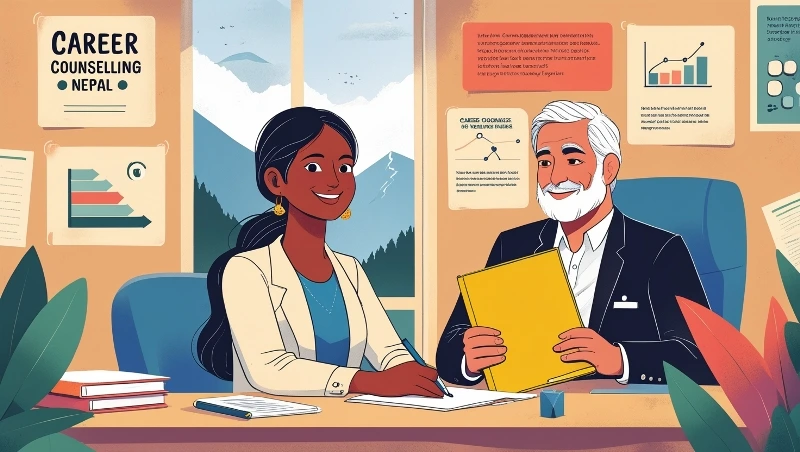
This blog post will explore the various benefits of career counseling in Nepal, covering its significance, the counseling process, and the positive impact it has on individuals and society.
Table of Contents
1. Understanding Career Counseling
Before delving into the benefits, it is important to understand what career counseling is and how it works.
What is Career Counseling?
Advertisement
Career counseling is a professional service that assists individuals in understanding their career options and making informed decisions about their educational and professional paths. Counselors provide guidance based on individual interests, skills, values, and market trends.
The Role of Career Counselors
Career counselors are trained professionals who help clients assess their strengths and weaknesses, explore potential career paths, and develop actionable plans to achieve their career goals. They often use various tools and assessments to aid in this process, such as personality tests and skills inventories.
The Counseling Process
Assessment: The process typically begins with an assessment, where the counselor evaluates the individual’s interests, skills, and values. This may involve questionnaires, interviews, and discussions about past experiences.
Exploration: After assessment, the counselor helps the individual explore various career options. This exploration includes discussing different fields, job roles, and educational pathways.
Goal Setting: Based on the exploration, the counselor assists the individual in setting realistic and achievable career goals. This step involves creating a personalized action plan to reach those goals.
Implementation: The final stage involves implementing the action plan, which may include applying for jobs, pursuing further education, or seeking internships.
Understanding this process helps to appreciate the comprehensive support that career counseling offers.
2. Benefits of Career Counseling
Career counseling provides numerous benefits to individuals, helping them navigate their career paths more effectively. Here are some key advantages:
1. Clarification of Career Goals
One of the primary benefits of career counseling is the clarity it provides in setting career goals. Many individuals, especially students, may feel uncertain about their future career paths.
Personalized Guidance: Career counselors help individuals identify their interests and skills, guiding them to choose career paths that align with their aspirations.
Focus on Strengths: By understanding their strengths, individuals can set realistic and achievable goals, leading to a more fulfilling career journey.
2. Enhanced SelfAwareness
Career counseling encourages individuals to engage in selfreflection, leading to greater selfawareness. This process helps individuals understand their values, passions, and motivations.
Identifying Interests: Counselors use various tools and assessments to help clients identify their interests and preferences, enabling them to make informed career choices.
Understanding Skills: Clients gain insights into their skills and abilities, which can help them select career paths that utilize their strengths effectively.
3. Informed DecisionMaking
Career counselors provide valuable information about various career options, educational requirements, and job market trends. This information empowers individuals to make informed decisions about their future.
Access to Resources: Counselors can provide access to resources, including job market data, industry trends, and educational opportunities.
Reducing Uncertainty: Armed with accurate information, individuals can reduce uncertainty and anxiety associated with career choices.
4. Improved Job Search Strategies
Career counseling equips individuals with effective job search strategies, increasing their chances of finding suitable employment.
Resume and Interview Preparation: Counselors offer guidance on creating strong resumes and preparing for interviews, helping individuals present themselves effectively to potential employers.
Networking Tips: Counselors teach individuals how to network effectively, an essential skill for job seekers. Networking can lead to job opportunities that may not be publicly advertised.
5. Support in Transitioning Careers
For individuals looking to switch careers, career counseling provides the necessary support and guidance throughout the transition process.
Identifying Transferable Skills: Counselors help clients identify skills that can be transferred to a new career, making the transition smoother.
Developing Action Plans: Counselors assist individuals in creating actionable plans for transitioning to new roles, which may involve further education or skill development.
6. Building Confidence
Career counseling can significantly boost an individual’s confidence. Understanding one’s strengths and having a clear plan can empower individuals to pursue their goals with assurance.
Positive Reinforcement: Counselors provide encouragement and positive reinforcement, helping individuals believe in their abilities to achieve their career aspirations.
Overcoming SelfDoubt: By addressing selfdoubt and anxiety, career counseling fosters a more positive outlook on the future.
7. Lifelong Learning and Development
Career counseling promotes the idea of lifelong learning. In today’s rapidly changing job market, continuous skill development is essential for career growth.
Encouragement to Pursue Education: Counselors encourage individuals to pursue further education or professional development opportunities, ensuring they stay competitive.
Staying Current: Individuals learn the importance of staying updated with industry trends and advancements, enabling them to adapt to changing demands.
8. Addressing Personal and Emotional Challenges
Career counseling can also address personal and emotional challenges that may affect career decisions.
Managing Stress and Anxiety: Counselors help clients develop coping strategies for managing stress and anxiety related to career choices.
WorkLife Balance: Counselors guide individuals in finding a balance between their personal and professional lives, which is crucial for overall wellbeing.
9. Connecting with Industry Professionals
Career counseling often includes networking opportunities with industry professionals. This connection can be invaluable for job seekers.
Mentorship Opportunities: Counselors may facilitate mentorship opportunities, allowing individuals to learn from experienced professionals in their desired fields.
Job Shadowing: Counselors can arrange job shadowing experiences, providing insights into specific careers and helping individuals make informed choices.
10. LongTerm Career Success
Ultimately, the skills and knowledge gained through career counseling contribute to longterm career success.
Sustaining Motivation: With a clear plan and goals, individuals are more likely to stay motivated and focused on their career paths.
Career Advancement: The tools and strategies learned through counseling can lead to greater career advancement and satisfaction in the long run.
By recognizing these benefits, individuals can understand the value of career counseling in navigating their professional journeys.
3. Career Counseling in Educational Institutions
In Nepal, career counseling is becoming increasingly integrated into educational institutions. Schools, colleges, and universities are recognizing the importance of providing students with the guidance they need to make informed career choices.
1. SchoolBased Career Counseling
Early Exposure: Introducing career counseling in schools allows students to explore different career options early on, helping them make informed choices about their subjects and future studies.
Workshops and Seminars: Schools can host workshops and seminars where professionals from various fields share their experiences and insights, inspiring students to consider diverse career paths.
2. University Career Services
Dedicated Career Centers: Many universities in Nepal have established career centers that offer counseling services, job placement assistance, and networking opportunities.
Internship Programs: Universities can collaborate with industries to provide students with internship opportunities, allowing them to gain practical experience while studying.
3. Collaboration with Industry
Industry Partnerships: Educational institutions can establish partnerships with local businesses and organizations to enhance career counseling services and provide students with realworld insights.
Guest Lectures: Inviting industry professionals to speak at educational institutions can bridge the gap between academia and the job market, providing students with valuable knowledge.
4. Utilizing Technology
Online Counseling Services: With the rise of digital platforms, educational institutions can offer online career counseling services, making it accessible to a broader audience.
Virtual Job Fairs: Organizing virtual job fairs can connect students with potential employers and provide insights into available job opportunities.
By integrating career counseling into educational institutions, Nepal can empower students to make informed choices and prepare them for successful careers.
4. The Role of Government and NGOs in Career Counseling
The government and nongovernmental organizations (NGOs) play a vital role in promoting career counseling services in Nepal.
1. Government Initiatives
Policy Development: The government can develop policies that promote career counseling services in educational institutions and communities.
Funding Programs: Government funding for career counseling initiatives can enhance accessibility and reach a broader audience, particularly in rural areas.
Skill Development Programs: By implementing skill development programs, the government can support individuals in gaining the necessary skills for the job market.
2. NonGovernmental Organizations (NGOs)
CommunityBased Programs: NGOs can offer communitybased career counseling programs that cater to marginalized groups, helping them access job opportunities.
Women Empowerment Initiatives: Many NGOs focus on empowering women through skill development and career counseling, enabling them to participate actively in the workforce.
Youth Programs: NGOs can develop programs specifically targeting youth, providing them with career guidance and mentorship to navigate their career paths effectively.
3. Collaboration Between Sectors
PublicPrivate Partnerships: Collaborations between the government, NGOs, and the private sector can enhance the effectiveness of career counseling services, ensuring they meet the needs of the job market.
Resource Sharing: By sharing resources, knowledge, and expertise, different organizations can improve the quality and accessibility of career counseling services.
The collective efforts of the government and NGOs can significantly enhance career counseling services in Nepal, benefiting individuals across various demographics.
5. The Future of Career Counseling in Nepal
As Nepal continues to evolve economically and socially, the future of career counseling looks promising. Several trends indicate how career counseling may develop in the coming years
1. Increasing Demand for Career Counseling Services
As Nepal’s economy grows and diversifies, the demand for career counseling services is likely to increase. More individuals will seek guidance to navigate the complex job market, pursue new opportunities, and align their education with industry needs.
Rise in Job Market Complexity: With the emergence of new industries, including technology, renewable energy, and digital services, job seekers will need specialized guidance to understand these fields and prepare for the evolving demands.
Greater Focus on Career Planning: Students, young professionals, and those looking to change careers will increasingly recognize the value of longterm career planning. This shift will lead to more individuals actively seeking career counseling services to set realistic goals.
2. Integration of Technology in Career Counseling
Technology will play an increasingly vital role in providing career counseling services across Nepal. The integration of digital tools and platforms will make these services more accessible and efficient.
Online Career Counseling: The use of video conferencing, email, and chat services for counseling will grow, particularly in remote areas where physical access to counselors is limited. Digital platforms will allow individuals to receive guidance from certified professionals regardless of their location.
Career Assessment Tools: Online career assessment tools, such as personality and aptitude tests, will help individuals better understand their strengths, skills, and career interests. These tools can provide tailored career advice based on individual profiles.
Mobile Applications: The development of mobile apps for career counseling will provide personalized recommendations and tips, helping individuals explore potential career options on their smartphones.
3. Expansion of Career Counseling into Rural Areas
One of the biggest challenges for career counseling in Nepal is the lack of access to services in rural areas. The expansion of counseling services into these regions will help bridge the gap between urban and rural communities.
Government and NGO Initiatives: Both the government and nongovernmental organizations (NGOs) will play a critical role in bringing career counseling to rural areas. Programs that focus on digital literacy and skills development can help individuals in these regions access remote counseling services.
Local Career Centers: Establishing local career centers in rural regions can provide young people and job seekers with facetoface guidance on educational and career opportunities.
Focus on Agriculture and Local Industries: In rural areas, career counseling can focus on industries like agriculture, tourism, and smallscale manufacturing. Counselors can guide individuals in acquiring the skills needed to succeed in these sectors.
4. Emphasis on Lifelong Career Counseling
The future of career counseling in Nepal will see a shift from providing onetime advice to offering lifelong career support. As individuals change jobs more frequently and industries evolve, the need for continuous career counseling will become more prominent.
Career Transitions: Career counseling services will increasingly focus on helping individuals navigate career transitions, including shifting industries, roles, or locations. Continuous guidance can help individuals remain competitive in an everchanging job market.
Skill Development and Reskilling: Career counseling will also emphasize the importance of reskilling and upskilling. As technology advances and industries automate, individuals will need to acquire new skills to stay relevant. Counselors can guide them in identifying and pursuing necessary training programs.
Personal Development: In addition to career advice, counseling services will increasingly offer support for personal development, helping individuals build soft skills like communication, leadership, and teamwork, which are essential for longterm career success.
5. Collaboration with Educational Institutions and Businesses
The future of career counseling will involve closer collaboration between educational institutions, businesses, and counseling services. This collaboration will ensure that career counseling aligns with industry needs and helps students and job seekers prepare for realworld challenges.
Industry Partnerships: Educational institutions can work with local industries to design curricula that meet the needs of the job market. Career counselors can serve as a bridge between students and employers, helping students choose programs that lead to indemand careers.
Internships and Apprenticeships: Career counseling will increasingly focus on connecting students with internships, apprenticeships, and workbased learning opportunities. This practical experience is invaluable for developing skills and understanding workplace dynamics.
Job Placement Services: More institutions will integrate career counseling with job placement services, providing students with the support they need to transition smoothly from education to employment.
6. Focus on Mental Health and WellBeing
As the pressures of modern life increase, career counseling will also expand to address mental health and wellbeing. Career counselors will need to consider the emotional and psychological factors that affect career choices and job satisfaction.
WorkLife Balance: Counseling services will emphasize the importance of maintaining a healthy worklife balance. Counselors will help clients manage stress, avoid burnout, and find careers that align with their personal values and lifestyle preferences.
Managing Career Stress: As job markets become more competitive, individuals may experience anxiety and stress related to career choices. Career counseling will provide strategies for managing these pressures and fostering mental wellbeing.
Holistic Approach to Counseling: Career counseling will take a more holistic approach, considering not just job prospects and skills but also how career choices impact overall wellbeing, family life, and personal fulfillment.
7. Career Counseling for Women and Underrepresented Groups
In the coming years, there will be an increasing focus on providing career counseling services tailored to the needs of women and underrepresented groups in Nepal. These services will help promote inclusivity and ensure equal access to career opportunities.
Women in the Workforce: As more women enter the workforce, career counseling services will play a vital role in helping them navigate career advancement, balancing work and family life, and accessing leadership opportunities.
Career Support for Marginalized Communities: Underrepresented groups, including individuals from lowerincome backgrounds or marginalized communities, will benefit from specialized career counseling services that address the unique challenges they face.
Empowerment through Career Counseling: Counseling services that focus on empowerment and skill development can help individuals from underrepresented groups build confidence and pursue careers in industries where they are underrepresented, such as technology, engineering, and leadership roles.
Conclusion
Career counseling in Nepal offers immense benefits to individuals, students, job seekers, and professionals alike. It provides clarity, support, and direction in making informed career choices, building confidence, and navigating the complexities of the job market.
Whether it’s clarifying career goals, preparing for job transitions, or staying competitive through lifelong learning, career counseling plays an essential role in helping individuals achieve longterm success.
As Nepal’s job market continues to evolve, the role of career counseling will become even more critical. By expanding access to these services, particularly in rural areas, and integrating technology and mental wellbeing support, career counseling can empower individuals to pursue fulfilling and successful careers.
FAQ
What is career counseling?
Career counseling is a service that helps individuals understand their strengths, skills, and interests to make informed decisions about their career paths.
How can career counseling benefit students in Nepal?
Career counseling helps students explore different career options, set realistic goals, and choose the right educational paths based on their interests and job market demands.
Is career counseling only for students?
No, career counseling is for anyone looking to make informed career decisions, including job seekers, professionals considering a career change, and individuals seeking personal development.
What role does career counseling play in job transitions?
Career counseling helps individuals navigate career transitions by identifying transferable skills, exploring new career options, and developing action plans for a smooth transition.
How can career counseling boost confidence?
Career counseling helps individuals understand their strengths, provides positive reinforcement, and creates a clear action plan, which boosts confidence and motivation.
Are career counseling services available in rural areas of Nepal?
While access to career counseling in rural areas is limited, efforts are being made by the government and NGOs to expand these services through local centers and digital platforms.
What skills can I develop through career counseling?
Career counseling helps you develop job search strategies, resume writing skills, interview preparation, and soft skills such as communication, teamwork, and leadership.
How does career counseling support women in Nepal?
Career counseling services tailored to women can provide guidance on career advancement, balancing work and family life, and overcoming challenges in maledominated industries.
What are the benefits of online career counseling?
Online career counseling offers flexibility, accessibility, and personalized guidance, allowing individuals to receive support from professionals regardless of their location.
How does career counseling help with lifelong learning?
Career counseling emphasizes the importance of continuous skill development and guides individuals in pursuing further education, professional certifications, and training programs.


