
Advertisement
Photography is a fantastic way to capture the world around you, tell stories through images, and explore creative expression. Nepal, with its rich cultural heritage, stunning landscapes, and vibrant street life, is an ideal place to start a photography hobby. Whether you’re interested in capturing the majestic Himalayas, bustling city scenes, or the quiet beauty of rural life, photography offers endless opportunities to develop your skills and create meaningful images.
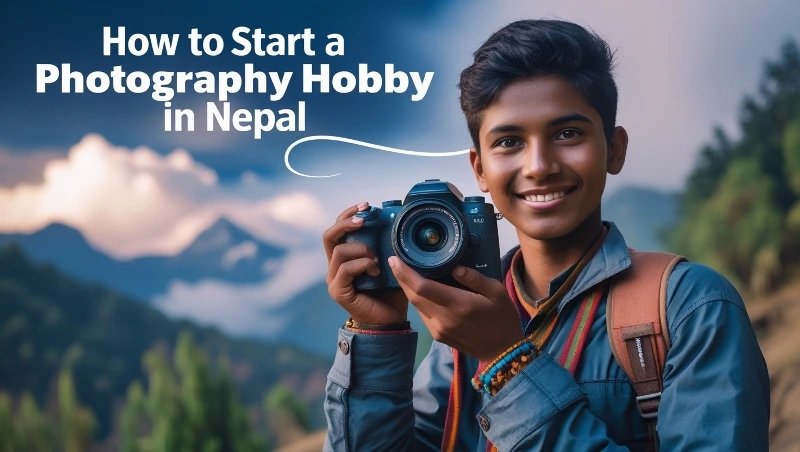
In this comprehensive guide, we will walk you through everything you need to know to start a photography hobby in Nepal. From choosing the right equipment to understanding composition and lighting, we’ll cover essential tips to help you get started.
Table of Contents
1. Understanding the Basics of Photography
Before diving into the world of photography, it’s essential to understand the fundamental concepts that make up a good photograph. Photography is both an art and a science, requiring a mix of technical knowledge and creative vision.
Key Photography Concepts
Advertisement
Exposure: Exposure refers to how much light reaches the camera sensor, which determines how bright or dark your image will be.
Exposure is controlled by three main settings: shutter speed, aperture, and ISO.
Shutter Speed: This determines how long the camera’s shutter stays open to let light in. A faster shutter speed freezes motion, while a slower shutter speed captures movement (e.g., waterfalls or nighttime photography).
Aperture: The aperture controls the size of the lens opening, affecting how much light enters and how much of the scene is in focus. A smaller aperture (higher fnumber) keeps more of the scene in focus, while a larger aperture (lower fnumber) creates a shallow depth of field (blurry background).
ISO: ISO determines the camera sensor’s sensitivity to light. A low ISO results in a cleaner image with less noise, while a higher ISO allows for shooting in lowlight conditions but may introduce noise (grain) in the image.
Composition: Composition is the arrangement of elements within a photograph. Good composition helps direct the viewer’s eye and creates balance and interest in the image. Popular compositional techniques include the rule of thirds, leading lines, and framing.
Lighting: Photography is often referred to as “painting with light.” Understanding how light interacts with your subject is crucial to capturing mood, texture, and detail. Natural light, especially during the “golden hour” (just after sunrise or before sunset), is ideal for photography in Nepal’s stunning landscapes.
How to Practice Basic Concepts
Begin by experimenting with different shutter speeds, apertures, and ISO settings to see how they affect your images. Take photos in varying lighting conditions and pay attention to how light interacts with your subject. Practice composition techniques by framing different subjects and experimenting with angles.
2. Choosing the Right Photography Equipment
One of the first steps in starting a photography hobby is selecting the right equipment. While you don’t need expensive gear to take good photos, investing in a decent camera and lenses can significantly improve the quality of your images.
Types of Cameras
Smartphone Cameras: If you’re just starting out, you can begin with your smartphone. Modern smartphones have highquality cameras capable of capturing stunning photos, especially in welllit conditions.
PointandShoot Cameras: These compact cameras are simple to use and great for beginners. While they may lack some manual controls, they offer good image quality and portability.
Mirrorless Cameras: Mirrorless cameras offer the benefits of interchangeable lenses and manual controls, while being lighter and more compact than DSLR cameras. They are excellent for hobbyists looking to improve their skills.
DSLR Cameras: DSLRs (Digital SingleLens Reflex) cameras are more advanced and used by many professional photographers. They offer full manual control, a wide range of lenses, and excellent image quality. However, they are bulkier than mirrorless cameras. Essential Accessories
Lenses: The lens you choose has a significant impact on the types of photos you can take. A wideangle lens (e.g., 1855mm) is great for landscapes and cityscapes, while a telephoto lens (e.g., 70200mm) is perfect for wildlife or capturing distant subjects. A prime lens (e.g., 50mm) with a wide aperture is ideal for portrait photography.
Tripod: A tripod is an essential accessory for landscape photography, longexposure shots, and lowlight conditions. It helps stabilize your camera and ensures sharper images.
Memory Cards: Invest in highcapacity memory cards (e.g., 64GB or 128GB) with fast write speeds, especially if you plan to shoot in RAW format, which requires more storage.
Camera Bag: A durable camera bag will protect your gear and make it easier to carry your equipment while exploring Nepal’s landscapes and urban areas.
How to Choose the Right Equipment
If you’re new to photography, start with a smartphone or pointandshoot camera. As you gain more experience and want to explore manual settings, consider upgrading to a mirrorless or DSLR camera. Rent or borrow gear before making a big purchase to see what suits your style.
3. Exploring the Best Photography Locations in Nepal
Nepal’s diverse landscapes, vibrant cities, and rich culture provide a wealth of opportunities for photographers. Whether you’re interested in capturing nature, architecture, or people, Nepal offers endless subjects to photograph.
Top Photography Locations in Nepal
Kathmandu Valley: Kathmandu is a photographer’s paradise, with ancient temples, bustling markets, and historic streets. Durbar Square, Swayambhunath (Monkey Temple), and Pashupatinath Temple are some of the best spots for capturing architectural beauty and street photography.
Pokhara: Nestled by Phewa Lake and surrounded by mountains, Pokhara is a serene destination for landscape photography. The reflections of the Annapurna Range on the lake during sunrise and sunset create breathtaking photo opportunities.
Chitwan National Park: For wildlife photography, Chitwan National Park is home to diverse species, including rhinos, tigers, and various bird species. Safaris through the park offer a chance to capture animals in their natural habitat.
Mount Everest Region: The Everest Base Camp trek offers stunning views of the world’s highest peak and surrounding landscapes. The Sherpa villages and mountain ranges provide opportunities for both cultural and landscape photography.
Bhaktapur and Patan: These ancient cities near Kathmandu are known for their wellpreserved architecture, vibrant festivals, and traditional craftsmanship. Bhaktapur’s pottery square and Patan’s Durbar Square are perfect for capturing the essence of Nepal’s rich history.
How to Capture Stunning Images in These Locations
When photographing landscapes, use a wideangle lens to capture the vastness of the scenery. Shoot during the golden hour for soft, warm lighting. For street and cultural photography, engage with your subjects and take candid shots to capture the essence of daily life. Be respectful when photographing religious sites and ask for permission before taking portraits of people.
4. Mastering Composition and Framing
Composition is one of the most critical aspects of photography, determining how elements are arranged within the frame. Good composition helps guide the viewer’s eye and creates a sense of balance and harmony in your images.
Essential Composition Techniques
Rule of Thirds: Divide your image into a 3×3 grid, with two horizontal and two vertical lines. Place your subject along these lines or at the intersections to create a more balanced and visually appealing composition.
Leading Lines: Use natural lines in the scene, such as roads, rivers, or pathways, to lead the viewer’s eye toward the main subject. This technique adds depth and direction to your images.
Framing: Use natural elements like trees, arches, or doorways to frame your subject. Framing adds context to your image and draws attention to the focal point.
Symmetry and Patterns: Symmetry can create a sense of harmony in your image, while patterns add visual interest. Look for symmetrical elements in architecture or repeating patterns in nature.
Negative Space: Negative space refers to the empty areas around your subject. Using negative space can create a minimalist feel and help emphasize your main subject. How to Practice Composition
Experiment with different angles and perspectives to see how they affect your composition. Try shooting from high or low angles to create unique perspectives. Use the rule of thirds grid on your camera or smartphone to practice aligning your subject according to this principle.
5. Understanding Lighting in Photography
Lighting is one of the most crucial elements in photography. The quality and direction of light can dramatically change the mood and appearance of your images. Whether you’re shooting indoors or outdoors, understanding how to work with light is key to improving your photography skills.
Types of Lighting
Natural Light: Natural light comes from the sun and is the most common source of lighting for outdoor photography. The golden hour, just after sunrise or before sunset, provides soft, warm light that is ideal for capturing landscapes, portraits, and street scenes.
Artificial Light: Artificial light comes from manmade sources like lamps, flashlights, or studio lighting. It’s commonly used for indoor photography or in lowlight situations.
Backlighting: Backlighting occurs when the light source is behind your subject, creating a silhouette or halo effect. This can add drama and contrast to your photos.
Diffused Light: Diffused light is soft and even, often produced by cloudy skies or by using a diffuser. It reduces harsh shadows and is great for portraits or closeup shots.
Tips for Using Light Effectively Position Your Subject: When shooting outdoors,position your subject so that the light falls on them in a way that enhances the mood of the photo. Side lighting can create depth and texture, while front lighting makes your subject appear more evenly lit.
Golden Hour Magic: The golden hour is a photographer’s best friend. During this time, the sunlight is softer and warmer, casting beautiful hues that enhance landscapes and portraits. Plan your outdoor shoots around sunrise or sunset to take advantage of this natural light.
Watch for Shadows: Pay attention to how shadows fall on your subject, as they can either enhance or detract from the image. In harsh midday sunlight, shadows may be too strong and unflattering. In such cases, you can wait for softer light or look for shaded areas to shoot in.
Experiment with Flash: If you’re shooting in low light or indoors, using a flash can help illuminate your subject. However, be mindful of the harshness of direct flash. Consider using a diffuser or bouncing the flash off a ceiling or wall to soften the light.
Use Reflectors: Reflectors are useful for bouncing natural or artificial light onto your subject, particularly when shooting portraits. They help fill in shadows and create a more balanced exposure.
How to Practice Lighting Techniques
Practice shooting in different lighting conditions to understand how light affects your images. Start by shooting in natural light at different times of the day, then move on to experimenting with artificial light sources. Try using backlighting, side lighting, and diffused light to see the impact on your photos.
6. Developing Your Own Photography Style
As you gain experience, you’ll naturally start developing your own unique photography style. Your style is influenced by the subjects you enjoy shooting, the techniques you use, and the mood or message you want to convey through your images.
Finding Your Photographic Voice
Experiment with Different Genres: Try shooting different genres of photography, such as landscape, portrait, street, wildlife, or abstract photography. This will help you discover what you enjoy most and where your strengths lie.
Study Other Photographers: Look at the work of other photographers, both professionals and hobbyists, for inspiration. Analyze what appeals to you in their work—whether it’s their use of color, composition, or storytelling—and incorporate those elements into your own photography.
Focus on Storytelling: Photography is a powerful storytelling tool. Think about the emotions or narrative you want to convey through your images. Whether you’re capturing a quiet moment in a village or the grandeur of the mountains, consider how your composition, lighting, and subject matter contribute to the story.
Editing Style: Postprocessing plays a big role in defining your photography style. Experiment with editing software like Adobe Lightroom or Photoshop to enhance your images. Adjusting elements like contrast, saturation, and color tones can help you achieve a consistent look in your photos.
How to Develop Your Style Over Time
Your photography style will evolve as you practice and gain more experience. Don’t rush the process; take time to explore different techniques and genres. Over time, you’ll start noticing patterns in your work that reflect your personal preferences and creative vision.
7. Joining Photography Communities and Exhibiting Your Work
Photography is not just about taking pictures—it’s also about sharing your work and learning from others. In Nepal, there are many photography communities and clubs where you can connect with likeminded individuals, exchange ideas, and get feedback on your work.
Photography Communities in Nepal
Online Photography Groups: Social media platforms like Facebook and Instagram are excellent places to find photography groups based in Nepal. These groups allow you to share your photos, participate in challenges, and get feedback from other photographers.
Local Photography Clubs: Many cities in Nepal, including Kathmandu and Pokhara, have photography clubs that organize photo walks, workshops, and exhibitions. Joining a local club is a great way to meet fellow photography enthusiasts, learn new techniques, and explore new locations.
Photography Contests and Exhibitions: Participate in local photography contests or submit your work to exhibitions. This can help you gain recognition, improve your skills, and build confidence in your work. The Photo Kathmandu festival is a prominent photography event in Nepal that showcases both local and international photographers.
Benefits of Joining a Photography Community Learning from Others: By interacting with other photographers, you can gain insights into different techniques, equipment, and approaches to photography.
Feedback and Critique: Constructive feedback is essential for improving your skills. Sharing your work with others allows you to receive helpful critiques that can guide your development as a photographer.
Inspiration: Seeing the work of others can inspire you to try new ideas, visit new locations, or experiment with different styles.
Networking Opportunities: Being part of a photography community can open doors to collaborations, job opportunities, or even the chance to exhibit your work publicly.
How to Get Involved
Start by joining photography groups on social media or searching for local clubs in your area. Attend photo walks, workshops, or exhibitions to meet other photographers and expand your network. Engaging with others will not only help you grow but also keep your passion for photography alive.
8. Learning Photo Editing Techniques
Photo editing is an essential part of modern photography. While the goal is to capture the best possible image incamera, editing allows you to enhance your photos, correct mistakes, and bring your creative vision to life.
Basic Editing Techniques
Cropping and Straightening: Adjust the composition of your photo by cropping out distractions or straightening the horizon. This simple technique can make a big difference in how your image is perceived.
Exposure and Contrast: Adjust the exposure to ensure that your image isn’t too dark or too bright. Increasing contrast can help define the elements of your image and make it more visually striking.
Color Correction: Use color correction tools to adjust the white balance, temperature, and saturation of your photo. This can help create the mood you want and make the colors in your image more vibrant or subdued.
Sharpening and Noise Reduction: Use sharpening tools to enhance details in your photo, and apply noise reduction to minimize graininess, especially in lowlight images.
Retouching: For portrait photography, retouching can be used to remove blemishes or distractions from the subject’s face. Be careful not to overdo it, as this can result in unnaturallooking images. Advanced Editing Techniques
HDR (High Dynamic Range): HDR editing combines multiple exposures of the same scene to create an image with a greater range of light and detail. This technique is especially useful for landscape photography.
Dodging and Burning: These techniques allow you to selectively lighten (dodge) or darken (burn) specific areas of your photo to emphasize certain elements or create depth.
Layer Masking: Layer masking is a powerful tool in Photoshop that allows you to apply edits to specific parts of an image without affecting the entire photo.
Editing Software
Adobe Lightroom: Lightroom is widely used by photographers for its userfriendly interface and powerful editing tools. It’s great for organizing and editing large batches of photos.
Adobe Photoshop: Photoshop is ideal for more advanced editing and retouching. It offers a wide range of tools for manipulating images and creating composite photos.
Snapseed: For mobile editing, Snapseed is a popular app that offers professionallevel tools for enhancing your images on the go.
How to Practice Editing
Start with simple edits like adjusting exposure, contrast, and color. As you become more comfortable with editing software, experiment with advanced techniques like HDR or layer masking. Keep your editing subtle to avoid overprocessing your images. The goal is to enhance your photos while maintaining a natural look.
Conclusion
Starting a photography hobby in Nepal is an exciting journey that allows you to explore your creative side while capturing the beauty of a diverse and culturally rich country.
Whether you’re shooting the stunning Himalayan landscapes, the vibrant streets of Kathmandu, or the serene lakes of Pokhara, Nepal provides endless opportunities for photographers at all skill levels.
By understanding the basics of photography, choosing the right equipment, exploring Nepal’s best photography locations, and mastering composition and lighting, you can develop your photography skills and build your unique style.
Joining photography communities and learning editing techniques will further enhance your abilities and keep you motivated to continue your photography journey.
With dedication and practice, photography can become a fulfilling and rewarding hobby that allows you to express yourself, document your experiences, and connect with the world around you.
FAQ
What type of camera should I start with as a beginner in photography?
Beginners can start with a smartphone, pointandshoot camera, or an entrylevel mirrorless or DSLR camera, depending on their budget and interest in manual controls.
What are the best places for photography in Nepal?
Some of the best locations for photography in Nepal include Kathmandu Valley, Pokhara, Chitwan National Park, Bhaktapur, and the Everest region.
How can I improve my composition in photography?
Use composition techniques like the rule of thirds, leading lines, framing, and symmetry to create visually appealing and balanced images.
What is the golden hour in photography?
The golden hour refers to the period shortly after sunrise or before sunset when the light is soft, warm, and ideal for photography.
Do I need expensive equipment to start photography?
No, you don’t need expensive gear to start. Many great photos can be taken with a smartphone or a basic camera. Focus on developing your skills first before investing in advanced equipment.
How can I learn photography editing?
Start by using simple editing software like Adobe Lightroom or mobile apps like Snapseed. Practice basic edits like cropping, exposure adjustments, and color correction before moving on to advanced techniques.
What is the difference between a mirrorless camera and a DSLR?
Mirrorless cameras are generally lighter and more compact, with no internal mirror mechanism, while DSLRs are bulkier but offer a wider range of lenses and more battery life.
How can I find photography communities in Nepal?
You can find photography communities on social media platforms like Facebook or Instagram. Many cities also have local photography clubs that organize workshops, photo walks, and exhibitions.
What are the essential accessories for beginner photographers?
Essential accessories include a tripod, memory cards, camera bag, and possibly additional lenses depending on your preferred photography style.
How can I develop my own photography style?
Experiment with different genres of photography, study other photographers’ work, and focus on storytelling. Your style will evolve as you gain more experience and refine your preferences.


