
Advertisement
Nepal is one of the most spiritually rich countries in the world, offering an environment that fosters inner peace, mindfulness, and self-discovery. From its majestic mountains to its sacred temples, Nepal provides the perfect backdrop for a spiritual retreat. Whether you are seeking meditation, yoga, or simply time away from your busy life to connect with your inner self, Nepal has something for every spiritual seeker.
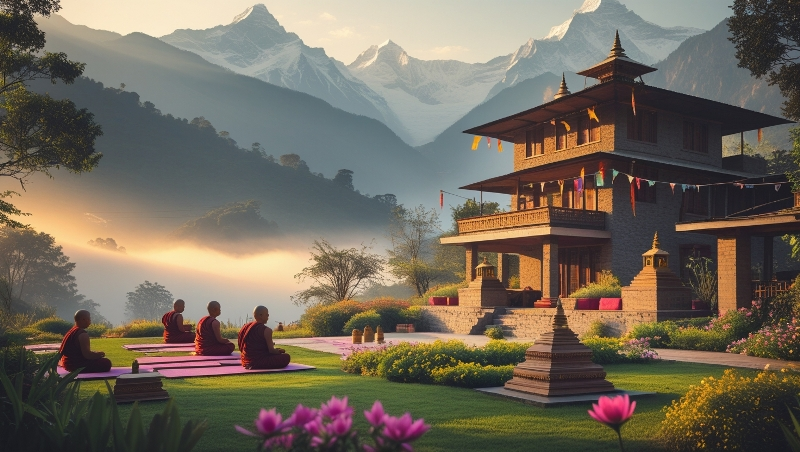
In this guide, we will walk you through the steps to plan a successful spiritual retreat in Nepal, covering everything from choosing the right location to preparing mentally and physically for the experience.
Table of Contents
1. Understanding the Purpose of Your Retreat
Before you begin planning your spiritual retreat in Nepal, it’s essential to understand why you are embarking on this journey. Defining your purpose will help shape every aspect of your retreat, from the location to the activities you’ll engage in.
Finding Clarity in Your Intentions
Advertisement
The first step in planning your retreat is to identify your goals. Are you looking for a meditation retreat, a yoga retreat, or a combination of both? Do you want to deepen your spiritual practice, disconnect from the digital world, or find inner peace? Knowing your intentions will guide you toward the right retreat center or teacher. For some, the retreat may be a way to deal with stress or anxiety, while for others, it could be a path to spiritual awakening.
Seeking Solitude or Community
It is also important to decide whether you want a solitary retreat or prefer to be part of a group. Solo retreats offer more personal reflection time, while group retreats provide opportunities for learning from others and sharing experiences. Both options have their benefits, so choose based on your needs and preferences.
By understanding the purpose of your retreat, you can ensure that the experience aligns with your personal spiritual journey and offers the growth you are seeking.
2. Choosing the Right Location in Nepal
Nepal offers a wide range of locations that are ideal for spiritual retreats, each with its unique energy and environment. Whether you are drawn to the peaceful mountains or the sacred temples, choosing the right location is crucial to your retreat’s success.
Mountain Retreats: Connecting with Nature
The Himalayan mountains are synonymous with spiritual journeys. Nepal’s mountains offer the perfect setting for those who seek solitude and a deep connection with nature. Many retreat centers are located in the foothills of the Himalayas, providing a serene and majestic atmosphere ideal for meditation and reflection.
Popular mountain retreat locations include Pokhara, Nagarkot, and the Annapurna region. These places offer breathtaking views of the mountains, fresh air, and a tranquil environment that encourages spiritual growth. If you’re looking for a nature-focused retreat, the mountains of Nepal are the perfect destination.
Temple and Monastery Retreats: Embracing Spiritual Heritage
For those who want to dive deep into the spiritual heritage of Nepal, temples and monasteries are the perfect locations. Kathmandu Valley is home to some of the most famous Buddhist and Hindu temples, such as Swayambhunath (Monkey Temple) and Pashupatinath. Many monasteries also offer structured retreat programs, especially in Tibetan Buddhist traditions.
Staying in a monastery can be a transformative experience, as it allows you to immerse yourself in ancient spiritual practices, learn from monks, and experience the simplicity of monastic life. Lumbini, the birthplace of Lord Buddha, is another sacred destination for spiritual retreats and pilgrimages.
Lakes and Forests: Finding Peace in Nature
If you prefer a peaceful retreat close to water, there are several lakes and forests in Nepal where you can connect with the natural world. Phewa Lake in Pokhara and Begnas Lake are two of the most serene locations, offering an idyllic setting for meditation and reflection. Forests near these lakes are great for nature walks, meditation, and outdoor yoga sessions. Being in nature can help you find inner balance and peace.
3. Selecting the Type of Retreat
There are many different types of spiritual retreats in Nepal, each catering to specific interests and practices. Depending on your spiritual goals, you can choose from meditation retreats, yoga retreats, or holistic healing retreats. Each type of retreat offers a unique experience and benefits.
Meditation Retreats: Cultivating Mindfulness
Meditation retreats in Nepal are among the most popular choices for spiritual seekers. These retreats focus on mindfulness, breathing techniques, and achieving inner calm. Vipassana meditation, which is a silent retreat focusing on self-observation, is widely available in Nepal. This type of retreat requires participants to follow strict guidelines, including silence for extended periods, which can help deepen self-awareness and spiritual growth.
Many retreat centers and monasteries in Nepal offer guided meditation retreats where experienced teachers lead participants through meditation techniques. Some of the best places for meditation retreats include Kopan Monastery in Kathmandu and various centers in Pokhara.
Yoga Retreats: Finding Balance
Yoga retreats are another popular choice, combining physical postures with spiritual practices to create balance in both body and mind. Many yoga retreats in Nepal also incorporate meditation and breathing exercises, offering a holistic approach to well-being. Whether you’re a beginner or an advanced practitioner, Nepal has yoga retreats for all levels.
Yoga retreats are commonly held in the tranquil settings of the mountains or near sacred sites, allowing participants to practice in harmony with nature. The peaceful environment enhances the practice, making it easier to connect with your inner self.
Holistic Healing Retreats: Nurturing the Body and Soul
For those seeking a more integrated approach to wellness, holistic healing retreats are a wonderful option. These retreats often combine elements of meditation, yoga, Ayurveda (traditional Indian medicine), and alternative healing therapies. The focus is on healing both the body and mind through natural methods and spiritual practices.
Ayurvedic retreats are particularly popular in Nepal, offering treatments and therapies designed to balance the body’s energy. These retreats usually include Ayurvedic consultations, massage therapies, detox programs, and personalized wellness plans.
4. Finding the Right Retreat Center
Once you’ve decided on the type of retreat and location, the next step is to find the right retreat center. There are many spiritual centers in Nepal that cater to different needs, offering everything from basic accommodations to luxury wellness experiences.
Researching Retreat Centers
It’s important to research and choose a retreat center that aligns with your goals and values. Look for centers that have experienced teachers or facilitators who can guide you through the retreat process. You may also want to read reviews from previous participants to get a sense of what to expect.
Some well-known retreat centers in Nepal include Kopan Monastery, which offers Buddhist meditation retreats, and Sadhana Yoga Retreat, which focuses on yoga and holistic healing. When choosing a retreat center, consider factors such as the location, program offerings, teacher qualifications, and the overall atmosphere.
Accommodations and Facilities
The type of accommodation you choose will also impact your retreat experience. Some retreat centers offer simple, monastic-style living, while others provide more luxurious accommodations. Depending on your budget and preferences, you can choose from dormitory-style rooms, private rooms, or even eco-friendly cottages.
Make sure to check if the center provides the necessary facilities for your retreat, such as yoga studios, meditation halls, and outdoor spaces. If you are attending a retreat focused on physical health, such as a yoga retreat, you may want to ensure the center offers nutritious meals that align with your wellness goals.
5. Preparing for Your Spiritual Retreat
Once you’ve chosen your retreat and location, it’s essential to prepare yourself mentally, physically, and emotionally for the experience. A spiritual retreat can be a transformative journey, and being well-prepared will help you make the most of it.
Mental Preparation
A spiritual retreat requires a shift in mindset. It’s important to enter the retreat with an open mind and a willingness to let go of everyday distractions. Practicing meditation or mindfulness in the weeks leading up to the retreat can help you ease into the experience.
It’s also helpful to set realistic expectations. While a retreat can be deeply transformative, it’s not a magical solution to all life’s problems. Instead, see it as a journey toward inner peace and self-awareness, where progress comes through patience and practice.
Physical Preparation
Some retreats, especially those involving yoga or hiking in the mountains, require a certain level of physical fitness. If you are attending a yoga retreat, practicing yoga regularly before your trip will help you build strength and flexibility. Similarly, if you’re heading to a mountain retreat, make sure you are prepared for high-altitude environments and possibly long walks or hikes.
It’s also essential to pack appropriate clothing, especially if you’re traveling to the mountains. Bring comfortable clothes for yoga or meditation, warm layers for cooler evenings, and sturdy footwear if you plan to hike.
Emotional Preparation
Emotional preparation is just as important as mental and physical preparation. A spiritual retreat often involves introspection and self-reflection, which can bring up deep emotions. Be prepared to face these emotions and allow yourself to process them during the retreat. Journaling before and during the retreat can be a helpful way to reflect on your feelings and experiences.
6. What to Expect During a Spiritual Retreat
Knowing what to expect during your retreat will help you make the most of your experience. While every retreat is different, there are common elements you will likely encounter during your stay.
Daily Schedule
Most spiritual retreats in Nepal follow a structured daily schedule, which may include meditation, yoga, group discussions, and personal reflection time. Some retreats also offer workshops or teachings on specific spiritual topics. Silence is often encouraged during certain parts of the retreat, especially during meditation sessions, to help participants focus inward.
Expect early mornings, as many retreats begin the day with sunrise meditation or yoga. Meals are usually simple, vegetarian, and served at set times to maintain a balanced routine. Free time is often provided in the afternoon for personal practice or rest.
Group Activities and Teachings
Group activities, such as meditation or yoga sessions, are a central part of most retreats. These sessions are often guided by experienced teachers or instructors who help participants explore deeper aspects of spirituality, mindfulness, and well-being. Group meditation can foster a sense of shared energy and connection, while yoga classes allow participants to align body, mind, and spirit.
In addition to group practices, many retreats offer teachings or workshops on spiritual topics such as Buddhist philosophy, mindfulness, or the principles of yoga. These teachings provide valuable insights and deepen your understanding of the spiritual path. Group discussions are also an opportunity to learn from fellow participants and share personal experiences, creating a supportive community environment.
Silence and Reflection
One unique aspect of many spiritual retreats is the practice of silence, often referred to as “noble silence.” This period of silence can last for hours, days, or even the entire retreat. The purpose of silence is to turn inward and focus on self-reflection without external distractions. It allows you to experience inner peace, listen to your thoughts, and cultivate mindfulness.
During periods of silence, participants refrain from speaking, using electronic devices, and engaging in non-verbal communication. While it may seem challenging at first, silence can be a powerful tool for spiritual growth, helping you to detach from the noise of everyday life and connect with your true self.
7. The Benefits of a Spiritual Retreat in Nepal
A spiritual retreat in Nepal offers a wide range of benefits, both during and after the retreat. These benefits extend beyond physical relaxation and contribute to long-term mental, emotional, and spiritual well-being.
Deepening Spiritual Practice
One of the most significant benefits of a spiritual retreat is the opportunity to deepen your spiritual practice. Whether you are a seasoned practitioner or new to meditation and yoga, a retreat provides dedicated time and space for spiritual growth. Being in a peaceful and supportive environment allows you to focus entirely on your practice without the distractions of daily life.
Through regular meditation, yoga, and spiritual teachings, you can cultivate mindfulness, self-awareness, and inner peace. The insights and experiences gained during the retreat can stay with you long after you leave, influencing how you approach your spiritual journey in the future.
Stress Relief and Mental Clarity
A retreat is also an excellent way to relieve stress and find mental clarity. The structured schedule, peaceful environment, and focus on mindfulness help reduce anxiety and promote relaxation. By disconnecting from the demands of work, technology, and social obligations, you can experience a sense of calm and rejuvenation.
Many participants report feeling more focused and clear-minded after a retreat, with a renewed perspective on their lives. This mental clarity can help you make better decisions, manage stress more effectively, and approach challenges with greater resilience.
Emotional Healing and Self-Reflection
For those seeking emotional healing, a spiritual retreat offers a safe space for self-reflection and personal growth. Through meditation and introspection, you may uncover buried emotions, past trauma, or unresolved feelings. While this can be challenging, it also opens the door to healing and transformation.
A supportive retreat environment, guided by experienced teachers, helps you process these emotions and gain a deeper understanding of yourself. Many participants leave a retreat with a greater sense of self-acceptance, emotional balance, and inner peace.
Physical Well-Being
In addition to the mental and emotional benefits, a retreat can have a positive impact on your physical well-being. Yoga and meditation practices promote physical health by reducing tension, improving flexibility, and enhancing overall vitality. Retreats that offer holistic healing or Ayurvedic treatments further contribute to physical rejuvenation, detoxifying the body and restoring balance.
Being in nature also plays a crucial role in enhancing your physical health. Fresh mountain air, clean water, and time spent outdoors have a restorative effect on the body, helping to improve your energy levels and overall well-being.
8. Integrating the Retreat Experience into Daily Life
One of the key challenges after a spiritual retreat is integrating the insights and practices gained during the retreat into your daily life. While the retreat itself is a transformative experience, the real work begins once you return to the routine of everyday life.
Continuing Your Spiritual Practice
It’s important to maintain the momentum of your spiritual practice after the retreat. This can be done by setting aside time each day for meditation, yoga, or mindfulness. Even if it’s just 10 to 15 minutes a day, regular practice will help you stay connected to the sense of peace and clarity you experienced during the retreat.
You may also consider joining local meditation or yoga groups to stay connected with like-minded individuals and continue learning from others. Many retreat centers offer online resources, such as guided meditations or teachings, to help you stay on track.
Applying Mindfulness in Daily Activities
A retreat teaches you how to live mindfully, and applying this skill in daily life can lead to a more fulfilling and balanced existence. Whether you’re at work, spending time with family, or simply walking in nature, mindfulness allows you to remain present and engaged in the moment.
You can integrate mindfulness into simple activities like eating, walking, or breathing, bringing a greater sense of awareness and appreciation to each moment. This practice helps you manage stress, build resilience, and cultivate a more peaceful state of mind.
Creating a Supportive Environment
After your retreat, it’s important to create an environment that supports your spiritual practice. This could involve setting up a dedicated meditation or yoga space in your home, removing distractions like excessive screen time, and fostering a calm and peaceful atmosphere. Surrounding yourself with positive influences and maintaining a healthy lifestyle will reinforce the benefits of your retreat and promote long-term well-being.
9. Challenges You May Encounter During a Retreat
While a spiritual retreat can be an incredibly rewarding experience, it’s not without its challenges. Being aware of these challenges can help you prepare mentally and emotionally for the retreat and allow you to overcome any obstacles that arise.
Physical Discomfort
For those new to meditation or yoga, the physical aspect of a retreat can be challenging. Sitting in meditation for extended periods or engaging in daily yoga sessions may lead to discomfort, especially if your body is not accustomed to these practices. It’s important to listen to your body and take breaks when needed. Most retreat centers provide guidance on how to sit comfortably for meditation and offer modifications for yoga poses.
Mental Restlessness
One of the most common challenges during a retreat is mental restlessness. When you disconnect from daily distractions and begin to focus inward, you may find your mind racing with thoughts, worries, or unresolved emotions. This is a natural part of the process, and with practice, you can learn to observe your thoughts without getting caught up in them.
Patience and perseverance are key to overcoming mental restlessness. Retreats offer a supportive environment where you can practice calming the mind, and experienced teachers are there to guide you through any difficulties.
Emotional Release
As you dive deeper into meditation and self-reflection, you may experience an emotional release. This could involve feelings of sadness, anger, or even joy. These emotions may have been suppressed in your daily life, and the retreat provides a safe space for them to surface. While this can be challenging, it is also an opportunity for healing and transformation. Allow yourself to experience these emotions without judgment, knowing that they are a natural part of your spiritual journey.
10. Post-Retreat Support and Continued Growth
After your retreat, it’s essential to have a support system in place to help you continue your spiritual growth. Many retreat centers offer post-retreat support, such as follow-up sessions, online courses, or community groups, to keep you connected and motivated.
Staying Connected with Fellow Retreat Participants
One way to maintain your spiritual practice is by staying in touch with fellow retreat participants. Many retreats foster a sense of community, and keeping in contact with others who share your spiritual journey can provide ongoing encouragement and support. Whether through online groups, regular meetups, or virtual meditation sessions, this connection can help you stay committed to your practice.
Attending Future Retreats
Finally, consider attending future retreats to continue deepening your spiritual practice. Whether it’s returning to the same retreat center or exploring new ones, ongoing retreats offer the opportunity to learn, grow, and connect with your spiritual path. Each retreat experience builds upon the last, allowing you to progress further on your journey of self-discovery and inner peace.
Frequently Asked Questions (FAQ)
What is a spiritual retreat?
A spiritual retreat is a dedicated time and space for self-reflection, meditation, and spiritual growth, often in a peaceful and supportive environment.
Why should I choose Nepal for a spiritual retreat?
Nepal offers a rich spiritual heritage, serene natural landscapes, and renowned retreat centers that provide the perfect setting for a transformative retreat.
What types of spiritual retreats are available in Nepal?
Nepal offers various types of retreats, including meditation, yoga, holistic healing, and spiritual pilgrimages to sacred sites.
Do I need prior experience in meditation or yoga to attend a retreat?
No prior experience is necessary. Many retreats cater to all levels, from beginners to advanced practitioners, with guidance from experienced teachers.
How long should a spiritual retreat be?
Retreats can range from a few days to several weeks. The duration depends on your personal goals and availability.
What should I pack for a retreat in Nepal?
Pack comfortable clothing for yoga and meditation, warm layers for cooler climates, and any personal items like journals or spiritual books.
Will I have to follow a strict schedule during the retreat?
Most retreats follow a structured daily schedule, including meditation, yoga, meals, and free time, but there is often flexibility to adapt to your needs.
Can I attend a retreat alone, or should I go with others?
You can attend a retreat alone, which is common, or you can go with friends or family. Both options offer unique experiences.
Is silence mandatory during the retreat?
Some retreats include periods of silence, such as during meditation sessions, but it varies depending on the retreat type and location.
What are the benefits of a spiritual retreat in Nepal?
A retreat in Nepal offers deep spiritual growth, stress relief, mental clarity, emotional healing, and a chance to reconnect with nature and yourself.
Planning a spiritual retreat in Nepal is a rewarding experience that can transform your life, offering you peace, clarity, and a deeper connection with your spiritual path. By choosing the right location, retreat center, and type of retreat, and preparing yourself mentally and physically, you can ensure that your retreat is both fulfilling and meaningful.


