Advertisement
Nepal, a country blessed with diverse landscapes, experiences its monsoon season with a distinct blend of natural beauty and cultural significance. The monsoon season, which typically begins in June and lasts until September, is much more than a period of heavy rainfall. It influences agriculture, traditions, festivals, and the daily lives of the Nepali people.

The arrival of the monsoon brings life to the country’s rivers, replenishes the soil, and heralds important cultural events. In this blog, we will explore the rhythms of the monsoon in Nepal, its impact on the environment, and its deep cultural significance.
Table of Contents
1. The Arrival of the Monsoon: A Natural Phenomenon
The monsoon in Nepal is a seasonal wind system that brings moisture from the Indian Ocean, leading to heavy rainfall across the country. The arrival of the monsoon is eagerly awaited, as it plays a critical role in Nepal’s agriculture. After the dry season, the monsoon rains help to rejuvenate the land, replenish water resources, and prepare the soil for planting crops, especially rice, the staple food of the country.
The monsoon is caused by the temperature differences between the land and the ocean. As the land heats up during the summer months, the air above it rises, creating a low-pressure system. Moist air from the Indian Ocean is drawn toward this low-pressure area, bringing with it clouds and rain. In Nepal, the monsoon first hits the southern plains (Terai) and then gradually moves north toward the hilly and mountainous regions.
Advertisement
The arrival of the monsoon is marked by heavy rain showers, thunderstorms, and a drop in temperature. For many farmers, the first rains signal the beginning of the planting season. The rhythm of the monsoon is unpredictable, however, and can vary in intensity from year to year. While some regions may receive abundant rainfall, others may experience droughts or floods, highlighting the variability and complexity of the monsoon system.
2. Agriculture and the Monsoon: Lifeline of Nepali Farmers
Agriculture is the backbone of Nepal’s economy, and the monsoon season is vital for the country’s food production. Nearly 70% of Nepal’s population is involved in farming, and the majority of these farmers rely on the seasonal rains to water their crops. The monsoon brings much-needed water for rice paddies, maize, millet, and other crops, ensuring a successful harvest.
Rice, in particular, is highly dependent on the monsoon. The country’s rice terraces, especially in the hilly regions, are designed to capture and retain rainwater, allowing the crop to thrive during the monsoon season. Farmers across Nepal prepare their fields for planting as soon as the rains begin, working long hours to ensure that the seeds are sown before the ground becomes too waterlogged.
However, the monsoon can also be unpredictable, and too much or too little rain can lead to crop failures. Floods can destroy fields, while landslides in hilly areas can bury agricultural land under mud and debris. On the other hand, delayed or insufficient rainfall can lead to droughts, reducing crop yields and causing food shortages.
To mitigate the risks associated with the monsoon, many Nepali farmers have adopted traditional practices such as terracing and the use of water management systems like canals and ponds. These techniques help farmers manage the water supply during the rainy season, ensuring that their crops receive adequate moisture without being overwhelmed by floods.
3. The Impact of Monsoon on Nepal’s Environment
The monsoon has a profound impact on Nepal’s environment, shaping the country’s rivers, forests, and wildlife. During the rainy season, Nepal’s rivers, which originate in the Himalayas, swell with water from the melting snow and rainfall. The rivers become powerful torrents, carrying sediment and nutrients downstream to the plains. This annual flooding is essential for replenishing the soil and supporting biodiversity in the river valleys.
The forests of Nepal also benefit from the monsoon. The rain nourishes the forests, allowing trees, plants, and flowers to grow. The moist environment during the monsoon season creates ideal conditions for the growth of ferns, mosses, and other moisture-loving plants. Forest animals, such as deer, tigers, and leopards, thrive in the lush vegetation, finding ample food and shelter.
However, the monsoon can also trigger environmental hazards, particularly landslides and floods. The steep terrain of the hilly and mountainous regions is prone to landslides, especially when heavy rains saturate the soil. These landslides can destroy homes, roads, and agricultural land, posing a significant threat to the people living in these areas. Similarly, the monsoon can cause rivers to overflow, leading to floods that displace communities and damage infrastructure.
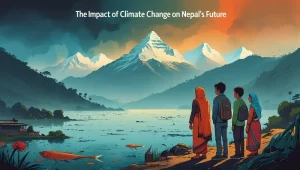
The impact of climate change has made the monsoon even more unpredictable in recent years. Erratic rainfall patterns, increased intensity of storms, and rising temperatures are putting pressure on Nepal’s natural ecosystems. Environmental conservation efforts, such as reforestation, soil conservation, and flood management, are essential to protecting Nepal’s environment from the negative effects of the monsoon.
4. Monsoon Festivals: Celebrating Nature’s Bounty
The monsoon season in Nepal is not just about rain; it is also a time of celebration and festivals. Many of Nepal’s cultural and religious festivals take place during the monsoon months, celebrating the abundance of nature, fertility, and the renewal of life. These festivals are deeply connected to the rhythms of the natural world, and they reflect the importance of the monsoon in the lives of the Nepali people.
One of the most important monsoon festivals is Ropain, the rice planting festival. Celebrated in late June or early July, Ropain marks the beginning of the rice planting season. Farmers gather in their fields to plant rice seedlings, often accompanied by traditional songs, dances, and feasts. It is a joyful occasion that celebrates the hard work of farmers and the hope for a bountiful harvest.
Another significant monsoon festival is Teej, a Hindu festival celebrated by women across Nepal. Teej, which usually falls in August or September, is a time for women to gather, sing, dance, and pray for the well-being of their families. The festival is also associated with rain and fertility, as it takes place during the height of the monsoon season.
Indra Jatra is another important festival that occurs during the monsoon season, particularly in the Kathmandu Valley. Indra Jatra is a celebration of Indra, the Hindu god of rain, and it involves elaborate processions, masked dances, and rituals. The festival is held to thank Indra for the rains and to ensure that the monsoon continues to bless the land with abundant water.
These festivals are more than just religious observances; they are also opportunities for communities to come together and celebrate the monsoon as a time of renewal and growth. The festivals highlight the deep connection between the Nepali people and the natural world, and they underscore the cultural significance of the monsoon season.
5. Monsoon and Urban Life: Challenges and Adaptation
While the monsoon brings life to the countryside, it also presents significant challenges for urban areas in Nepal. The heavy rains can lead to flooding in cities and towns, overwhelming drainage systems and causing water to accumulate on roads and in residential areas. In cities like Kathmandu, where urban infrastructure is often inadequate, the monsoon can disrupt daily life, causing traffic jams, power outages, and damage to buildings.
Urban flooding is a major issue during the monsoon, particularly in low-lying areas of Kathmandu and other cities. The rapid expansion of urban areas, combined with poor drainage systems, means that many streets become waterlogged during heavy rains. Flooding can lead to property damage, contamination of drinking water, and the spread of waterborne diseases such as cholera and dysentery.
To cope with the challenges of the monsoon, many cities in Nepal have implemented flood management and drainage improvement projects. These efforts include the construction of stormwater drains, flood barriers, and retention ponds to manage excess rainwater. Additionally, urban planners are increasingly considering the impacts of climate change on the monsoon when designing new infrastructure projects.
Despite these challenges, the monsoon is also seen as a welcome break from the heat of the summer months. The cooler temperatures and the lush greenery that follows the rains create a refreshing atmosphere in the cities. Many urban residents enjoy the seasonal rhythm of the monsoon, with its dramatic thunderstorms and the sound of rain pattering on rooftops.
6. The Monsoon and Tourism: A Mixed Blessing
Tourism is a major industry in Nepal, and the monsoon season has a significant impact on tourist activities. For many travelers, the monsoon is seen as the off-season, as the heavy rains and slippery trails make trekking and outdoor adventures more challenging. Popular trekking routes, such as the Annapurna Circuit and the Everest Base Camp trek, are less frequented during the monsoon due to the risk of landslides, leeches, and poor visibility.
However, for those willing to brave the rains, the monsoon offers a unique and rewarding experience. The lush green landscapes, blooming flowers, and fewer crowds create a different kind of beauty that is not seen during the dry season. Some tourists even prefer the monsoon season for its tranquility and the opportunity to see Nepal in its most fertile and vibrant state.
In recent years, there has been a growing interest in monsoon tourism, particularly among travelers looking for off-the-beaten-path experiences. Activities such as village homestays, cultural tours, and wildlife safaris in areas like Chitwan National Park are still popular during the monsoon season. The rainforests come alive during the monsoon, providing excellent opportunities for birdwatching and wildlife spotting.
Nepal’s tourism industry has also adapted to the monsoon by promoting indoor activities, such as cultural tours of Kathmandu’s historic sites,
visits to monasteries, and participation in local festivals. These activities allow tourists to experience the rich cultural heritage of Nepal without being affected by the weather.
7. Adapting to Climate Change: The Future of the Monsoon
The monsoon in Nepal, like in many other parts of South Asia, is being affected by climate change. Erratic rainfall patterns, increasing temperatures, and more intense storms are changing the way the monsoon behaves. These changes pose a serious threat to agriculture, water resources, and disaster management efforts in Nepal.
Farmers are particularly vulnerable to the impacts of climate change, as unpredictable rains can lead to crop failures and food insecurity. In some years, the monsoon may arrive late, reducing the growing season, while in other years, excessive rainfall can cause floods that damage crops.
To address these challenges, many farmers are turning to climate-smart agriculture techniques, such as drought-resistant crops, improved irrigation systems, and soil conservation practices.
The government of Nepal, along with international organizations, is also working to improve disaster preparedness and resilience to climate change. Flood early warning systems, reforestation projects, and sustainable land management practices are being implemented to reduce the risks associated with extreme weather events during the monsoon.
Education and awareness are also key to helping communities adapt to the changing monsoon. By understanding the impacts of climate change on the monsoon and implementing sustainable practices, Nepal can better manage the challenges of the future while preserving the cultural and environmental importance of the monsoon season.
Frequently Asked Questions (FAQ)
What is the monsoon season in Nepal?
The monsoon season in Nepal typically occurs from June to September, bringing heavy rainfall that is crucial for agriculture and replenishing water resources.
How does the monsoon affect agriculture in Nepal?
The monsoon provides much-needed water for crops, particularly rice, which is highly dependent on seasonal rains. However, too much or too little rain can lead to floods, droughts, and crop failures.
What are some major festivals celebrated during the monsoon in Nepal?
Important monsoon festivals in Nepal include Ropain (the rice planting festival), Teej (a festival for women), and Indra Jatra (a celebration of the Hindu god of rain).
What environmental challenges does the monsoon bring to Nepal?
The monsoon can trigger landslides and floods, particularly in hilly and mountainous regions, posing risks to communities and infrastructure.
How does the monsoon impact urban areas in Nepal?
Urban areas, especially cities like Kathmandu, face challenges such as flooding, poor drainage, traffic disruptions, and water contamination during the monsoon season.
Can tourists visit Nepal during the monsoon?
Yes, while the monsoon is considered the off-season for trekking, tourists can still enjoy cultural tours, village homestays, wildlife safaris, and participate in local festivals.
How is climate change affecting the monsoon in Nepal?
Climate change is making the monsoon more unpredictable, with erratic rainfall patterns, increased storm intensity, and changes in temperature that affect agriculture and water management.
What measures are being taken to reduce the risks of monsoon-related disasters?
Nepal is implementing disaster preparedness measures such as flood early warning systems, reforestation projects, and sustainable land management practices to reduce the risks associated with the monsoon.
How do Nepali farmers adapt to the challenges of the monsoon?
How do Nepali farmers adapt to the challenges of the monsoon?
Nepali farmers use traditional techniques such as terracing and water management systems to cope with the monsoon. They are also adopting climate-smart agriculture practices to address the impacts of climate change.
What is the cultural significance of the monsoon in Nepal?
The monsoon is deeply embedded in Nepali culture, symbolizing renewal, fertility, and abundance. It is celebrated through festivals, rituals, and traditions that honor the rains and their role in sustaining life.