
Advertisement
Nepal is a country rich in culture and heritage, where traditional crafts have been passed down through generations. These crafts are not just beautiful items; they represent the skills, stories, and history of the Nepali people. Supporting traditional craftsmen is vital for preserving these unique practices and promoting sustainable livelihoods.
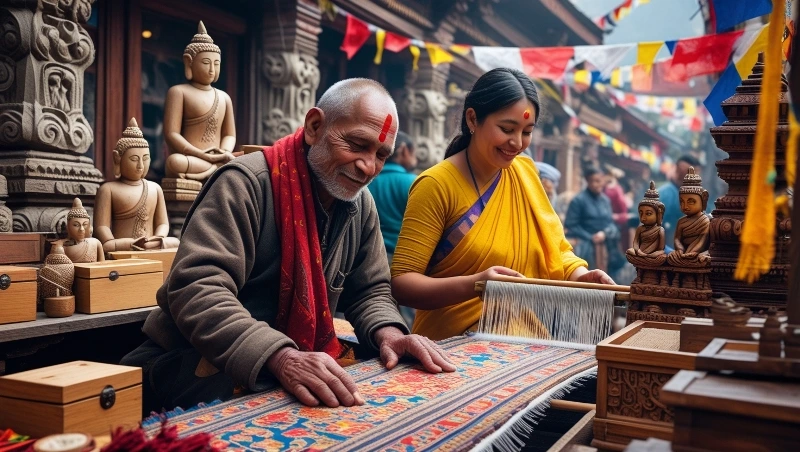
This blog post explores various ways to support traditional craftsmen in Nepal, highlighting the importance of community involvement, education, and sustainable practices.
Table of Contents
1. Understanding Traditional Crafts in Nepal
To support traditional craftsmen effectively, it’s essential to understand what traditional crafts are and their significance in Nepali culture.
1.1 Definition of Traditional Crafts
Advertisement
Traditional crafts encompass handmade items created using traditional techniques and skills that have been honed over centuries. In Nepal, this includes a wide range of crafts such as pottery, weaving, metalwork, wood carving, and Thangka painting. Each craft has its unique style and cultural significance, reflecting the rich diversity of the country’s ethnic groups.
1.2 Cultural Significance
Traditional crafts are an integral part of Nepali culture. They embody the history, values, and identities of various communities. For example, the intricate designs of Dhaka fabric showcase the artistry of the Newar community, while the exquisite wood carvings in temples reflect the craftsmanship of the indigenous artisans. Supporting these crafts helps preserve cultural heritage and fosters a sense of pride among communities.
1.3 Current Challenges Facing Craftsmen
Despite their cultural significance, traditional craftsmen in Nepal face numerous challenges, including competition from mass-produced goods, lack of access to markets, and declining interest among younger generations. These challenges threaten the survival of traditional crafts and the livelihoods of artisans.
2. The Role of Community in Supporting Craftsmen
Communities play a vital role in supporting traditional craftsmen. By fostering a culture of appreciation and collaboration, communities can help preserve these valuable practices.
2.1 Promoting Local Craft Fairs
Organizing local craft fairs provides artisans with a platform to showcase their work and connect with potential buyers. These events can attract both locals and tourists, generating interest in traditional crafts. By promoting local craft fairs, communities can create a vibrant marketplace that supports artisans.
2.2 Building Awareness and Appreciation
Raising awareness about the importance of traditional crafts can encourage community members to support local artisans. Educational programs and workshops can be organized to teach people about the techniques and cultural significance of various crafts. This appreciation fosters a sense of community pride and encourages individuals to support craftsmen.
2.3 Encouraging Collaboration Among Artisans
Facilitating collaboration among artisans can help them share skills and resources. By forming cooperatives or guilds, craftsmen can collectively market their products, share knowledge, and access training programs. Collaboration can also lead to innovative creations that blend different traditional techniques.
3. Supporting Craftsmen Through Education
Education is crucial for empowering traditional craftsmen and ensuring the continuity of their skills.
3.1 Skill Development Programs
Organizing skill development programs can enhance the capabilities of traditional craftsmen. These programs can focus on improving existing techniques, introducing new tools, and teaching business skills. By investing in artisans’ education, communities can help them adapt to changing market demands while preserving traditional practices.
3.2 Apprenticeship Opportunities
Creating apprenticeship opportunities for young individuals interested in traditional crafts can help ensure the transmission of skills. Experienced craftsmen can mentor apprentices, passing down their knowledge and techniques. This hands-on experience is invaluable for preserving the craft and engaging younger generations.
3.3 Integrating Craft Education into Schools
Integrating craft education into school curricula can inspire students to appreciate and engage with traditional crafts. Schools can organize workshops, field trips, and exhibitions that showcase local artisans and their work. This exposure can encourage students to explore careers in the craft industry.
4. Utilizing Technology for Promotion
Technology can play a significant role in promoting traditional crafts and supporting artisans.
4.1 Online Marketplaces
Creating online marketplaces for traditional crafts allows artisans to reach a broader audience. These platforms enable craftsmen to showcase their products, connect with customers, and facilitate online sales. By leveraging technology, artisans can reduce dependence on local markets and increase their income.
4.2 Social Media Marketing
Social media platforms are powerful tools for promoting traditional crafts. Artisans can use platforms like Facebook, Instagram, and Pinterest to share their work, engage with customers, and tell their stories. By building an online presence, artisans can attract a global audience and generate interest in their crafts.
4.3 Digital Documentation of Crafts
Documenting traditional crafts digitally can preserve valuable knowledge and techniques. Videos, blogs, and online galleries can showcase the craftsmanship involved in creating traditional items. This documentation serves as a resource for future generations and helps promote the cultural significance of these crafts.
5. Promoting Fair Trade Practices
Fair trade practices are essential for ensuring that traditional craftsmen receive fair compensation for their work.
5.1 Understanding Fair Trade Principles
Fair trade is a movement that aims to provide fair wages, safe working conditions, and sustainable practices for artisans and producers. Supporting fair trade ensures that craftsmen can earn a decent livelihood while maintaining their cultural practices.
5.2 Collaborating with Fair Trade Organizations
Collaborating with fair trade organizations can help traditional craftsmen access larger markets and receive fair prices for their products. These organizations often provide training, marketing support, and resources that empower artisans and promote their crafts.
5.3 Raising Awareness About Fair Trade
Raising awareness about fair trade principles among consumers can encourage them to support artisans. Educational campaigns can inform people about the importance of ethical consumption and the impact their choices have on artisans’ lives.
6. Engaging with Tourists
Tourism can play a significant role in supporting traditional craftsmen, as tourists often seek authentic cultural experiences.
6.1 Promoting Cultural Tourism
Promoting cultural tourism that highlights traditional crafts can attract visitors interested in learning about Nepali culture. Tourists can visit workshops, participate in craft-making sessions, and purchase handmade products directly from artisans. This interaction not only provides income for craftsmen but also fosters appreciation for their skills.
6.2 Craft Workshops for Tourists
Organizing craft workshops for tourists allows them to engage with traditional crafts firsthand. These workshops can teach visitors about specific techniques, allowing them to create their own souvenirs while supporting local artisans. This experience creates a deeper connection between tourists and the culture they are exploring.
6.3 Collaborating with Travel Agencies
Collaborating with travel agencies to include visits to artisan workshops in tour itineraries can enhance the experience for travelers. Travel agencies can promote tours that showcase local craftsmanship, providing artisans with opportunities to demonstrate their skills and sell their products.
7. Creating Policy Support for Artisans
Policy support is crucial for creating an environment that fosters the growth of traditional crafts.
7.1 Advocating for Artisan Rights
Advocating for the rights of traditional craftsmen can help protect their interests and promote fair treatment. Organizations and community groups can work together to raise awareness about the challenges artisans face and push for policies that support their livelihoods.
7.2 Government Support for Craft Industries
The government can play a significant role in supporting traditional crafts by providing financial assistance, resources, and training programs. By recognizing the importance of traditional crafts in preserving cultural heritage, the government can create policies that promote their growth.
7.3 Developing Craft Policy Frameworks
Developing comprehensive craft policy frameworks can provide guidelines for supporting traditional craftsmen. These frameworks can address issues such as training, marketing, access to markets, and fair pricing. By implementing such policies, stakeholders can ensure the sustainability of traditional crafts in Nepal.
8. Emphasizing Sustainability in Craft Practices
Sustainable practices are essential for the long-term viability of traditional crafts.
8.1 Promoting Eco-Friendly Materials
Encouraging artisans to use eco-friendly materials can contribute to sustainability. This can include sourcing natural dyes, sustainable wood, and organic fabrics. By promoting sustainable practices, artisans can reduce their environmental impact and appeal to conscious consumers.
8.2 Educating Artisans on Sustainable Practices
Providing training on sustainable practices can help artisans adopt environmentally friendly techniques. Workshops can focus on waste reduction, resource management, and sustainable sourcing, empowering artisans to implement these practices in their work.
8.3 Supporting Certifications for Sustainability
Supporting certifications for sustainable craftsmanship can enhance the credibility of traditional products. Certifications can help artisans market their products to environmentally conscious consumers and create a competitive edge in the market.
9. Building a Community of Support
Creating a supportive community around traditional craftsmen can enhance their resilience and success.
9.1 Networking Opportunities
Establishing networks for traditional craftsmen allows artisans to connect with each other, share experiences, and collaborate. These networks can provide a platform for exchanging knowledge, promoting events, and supporting one another in their craft journeys.
9.2 Establishing Mentorship Programs
Mentorship programs can connect experienced artisans with younger craftsmen. This relationship allows for the transfer of skills, knowledge, and traditions, ensuring that valuable craftsmanship continues to thrive. Mentors can guide mentees in honing their skills and navigating the challenges of the craft industry.
9.3 Creating Supportive Organizations
Supportive organizations can provide resources, training, and advocacy for traditional craftsmen. These organizations can work to promote the interests of artisans, facilitate training programs, and connect craftsmen with markets. By strengthening the support system for artisans, we can foster a thriving craft industry.
10. Conclusion
Supporting traditional craftsmen in Nepal is vital for preserving cultural heritage and promoting sustainable livelihoods. By recognizing the importance of traditional crafts and implementing strategies to support artisans, we can help ensure that these invaluable skills and practices are passed down through generations.
Community involvement, education, fair trade practices, and leveraging technology are essential components of this support system. By working together, individuals, organizations, and governments can create an environment that nurtures traditional craftsmanship and enhances the lives of artisans.
As we promote traditional crafts in Nepal, we celebrate the rich cultural tapestry that defines the nation. By valuing and supporting the artisans who keep these traditions alive, we contribute to a more vibrant and sustainable future for all.
FAQs
Why is it important to support traditional craftsmen in Nepal?
Supporting traditional craftsmen is crucial for preserving Nepal’s cultural heritage, providing sustainable livelihoods, and promoting local economies. It ensures that unique skills and traditions are passed down through generations.
What types of traditional crafts are common in Nepal?
Common traditional crafts in Nepal include pottery, weaving, wood carving, metalwork, and Thangka painting. Each craft reflects the cultural identity of the community it comes from and showcases the skills of artisans.
How can I find traditional crafts in Nepal?
You can find traditional crafts in local markets, craft fairs, and artisan cooperatives. Visiting villages known for specific crafts can also provide opportunities to meet artisans and purchase their work directly.
How can technology help traditional craftsmen?
Technology can help traditional craftsmen by providing access to online marketplaces, promoting their work through social media, and offering platforms for digital documentation. It enables artisans to reach a wider audience and enhance their sales.
What is fair trade, and why is it important for artisans?
Fair trade is a movement that aims to ensure fair wages and working conditions for artisans and producers. It is important for artisans as it helps them earn a sustainable income, supports ethical production practices, and promotes social equity.
How can I get involved in supporting traditional craftsmen?
You can get involved by purchasing handmade products, attending local craft fairs, volunteering with organizations that support artisans, and promoting their work through social media. Engaging in conversations about the importance of traditional crafts also helps raise awareness.
What are the challenges faced by traditional craftsmen in Nepal?
Traditional craftsmen face challenges such as competition from mass-produced goods, limited access to markets, lack of financial resources, and declining interest among younger generations in pursuing traditional crafts.
How can communities promote traditional crafts?
Communities can promote traditional crafts by organizing events, supporting local artisans, creating awareness campaigns, and encouraging collaboration among craftsmen. Establishing networks and cooperatives can also strengthen community support for artisans.
How does education contribute to supporting traditional craftsmen?
Education contributes by providing skill development programs, integrating craft education into school curricula, and creating apprenticeship opportunities. It helps ensure that traditional skills are passed down and valued.
What role do government policies play in supporting traditional crafts?
Government policies can provide funding, resources, and training programs for artisans. They can also create a favorable environment for traditional crafts to thrive by promoting cultural heritage and supporting fair trade practices.
Conclusion
Supporting traditional craftsmen in Nepal is not just about preserving the past; it is about creating a sustainable future. By recognizing the value of traditional crafts and implementing strategies to support artisans, we can ensure that these skills, stories, and cultural identities continue to flourish.
Through community involvement, education, fair trade practices, and technology, we can foster a thriving environment for traditional craftsmanship in Nepal. Together, we can celebrate and promote the richness of Nepal’s cultural heritage, allowing it to inspire generations to come. By standing alongside our traditional craftsmen, we contribute to a more vibrant, equitable, and culturally rich society.


